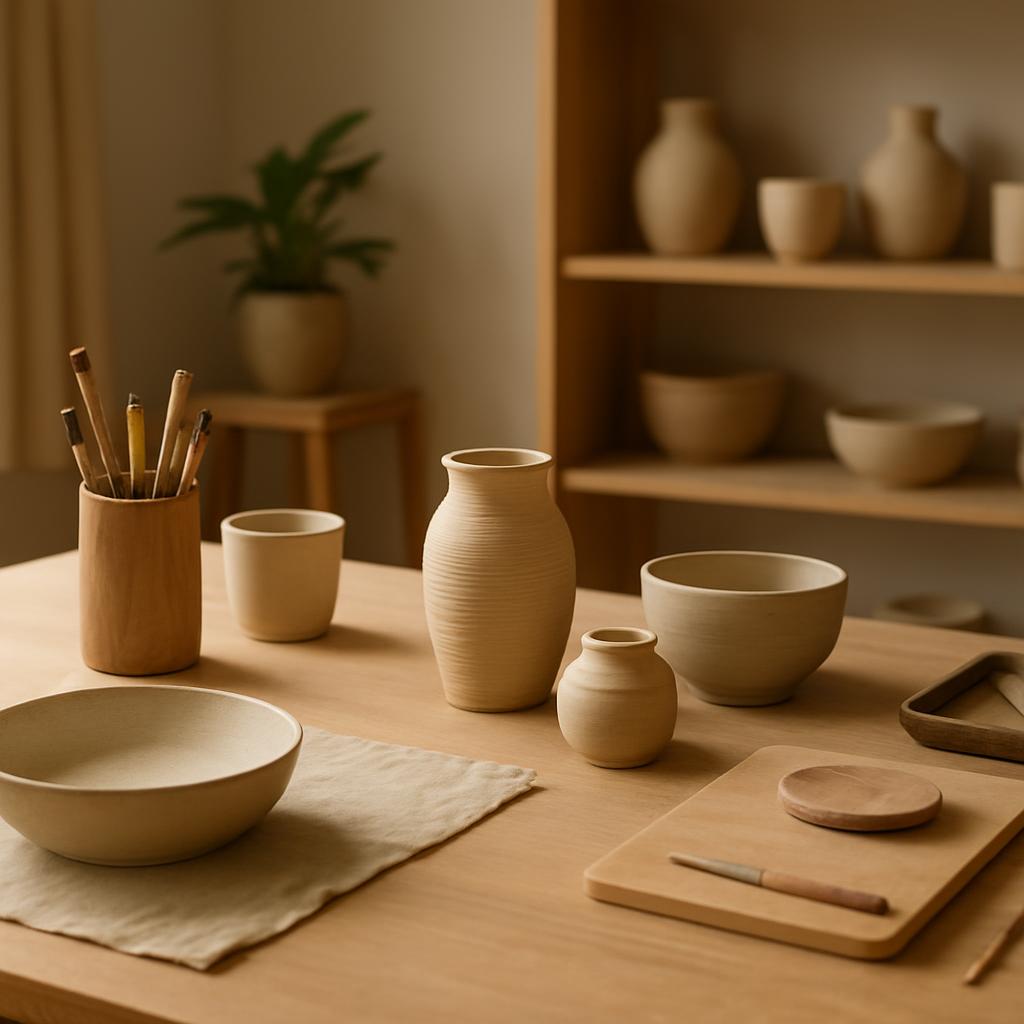
Getting Ceramic Keepsakes Right in Nuthall
Find Out More →Getting real value from Ceramic Keepsakes Nuthall comes down to knowing what to do before you walk in the door. Most people think it's just a case of handing over photos or materials and waiting for the finished piece—but that's where things often go sideways. The difference between a keepsake that genuinely moves you and one that feels rushed comes down to prep work, clear communication, and understanding what's actually possible.
If you've never commissioned something like this before, it's natural to feel a bit lost about where to start. That's what this guide is for. I've put together the practical steps that'll help you get the most out of working with Ceramic Keepsakes Nuthall, whether you're creating something for a milestone, a memorial, or just because.
What Should You Gather Before You Get in Touch?
Start with the raw materials. If you're working from photographs, choose the clearest, most detailed ones you have—high-resolution images work best because they give the team more to work with. If you're bringing in physical items—handprints, impressions, or fragments you want incorporated—make sure they're clean and in decent condition. The better the source material, the better the outcome.
Think about scale too. Have you got a sense of how big or small you want the finished piece to be? Not in exact measurements yet—just a rough idea. Is this something that sits on a shelf, hangs on a wall, or something you'll hold in your hands? That shapes everything that comes next, from the materials used to the level of detail that's possible.
Write down a few notes about what this keepsake means to you. Not a novel—just enough that whoever works with you understands the story behind it. A birth date, a name, a date that matters, colours that feel right. These details matter more than you'd think when it comes to creating something personal.
What Questions Do You Actually Need to Ask?
Before you commit, get clear answers on the practical side. Ask about turnaround times, because ceramic work takes time—there's no rushing kiln cycles. Ask about cost, and don't just ask for a price; ask what that includes. Does it cover one revision if something isn't quite right? What happens if you want adjustments mid-process?
Get specifics on what finishes are available. Glazes, surface textures, whether they hand-paint details or use other techniques—knowing your options means you can make choices that actually fit what you're after, rather than discovering halfway through that something you wanted isn't possible.
Ask to see previous work, too. Not to compare your project to someone else's, but to get a sense of the quality and style. What actually matters when you're choosing who to work with is seeing whether their approach matches what you're imagining. That's worth spending ten minutes on.
How Do You Keep the Process Running Smoothly?
Once you're committed, communication is everything. If you've shared photos or materials, follow up to confirm they arrived and ask if there's anything else they need from you at the start. You're not nagging—you're making sure nobody's waiting around for something.
If the team offers a preview or sketch before they move into the actual ceramic work, take it seriously. This is your chance to catch anything that doesn't feel right when it's still easy to adjust. Don't be shy about asking for tweaks—that's what this stage is for. There's a practical checklist you can refer to here that covers what to look for in early mockups.
Stay realistic about timelines. If someone tells you it'll take four weeks, it's because each step—from moulding to first firing to glazing to final firing—genuinely takes time. Pushing for something faster usually means cutting corners somewhere, and that's where quality suffers. Worth waiting for it to be right.
What Happens When You Pick It Up?
Before you leave with your finished piece, actually look at it. Check that details are clear, colours are even, and there's nothing chipped or cracked. Ask about care instructions too—how to clean it, whether it can go in direct sunlight, whether it's food-safe if that matters for your piece. You want to know how to look after something you've invested in.
If something genuinely isn't right—and I mean genuinely, not just 'I changed my mind'—raise it then. Most studios will work with you to fix proper issues. If you leave it a month and then complain, you've lost your window for sorting it.
There's more detail on getting the best results from the process if you want to dig deeper into specific techniques and options.
Making It Worth Your While
The truth is, ceramic keepsakes aren't impulse purchases. They're pieces you're investing time and money into because they matter. Taking a bit of time to prepare—gathering materials, thinking through what you actually want, asking the right questions upfront—saves frustration down the line and means you end up with something you genuinely love living with.
If you're ready to start the process, get in touch with Ceramic Keepsakes Nuthall. They'll walk you through everything step by step, and they're used to working with people who are new to this. Bring your ideas, your materials, and your questions. That's what they're there for.
Looking for Ceramic Keepsakes near Nuthall?
We have secure, flexible units available in the area. Get in touch with Ceramic Keepsakes Nuthall today.
Find Out More →